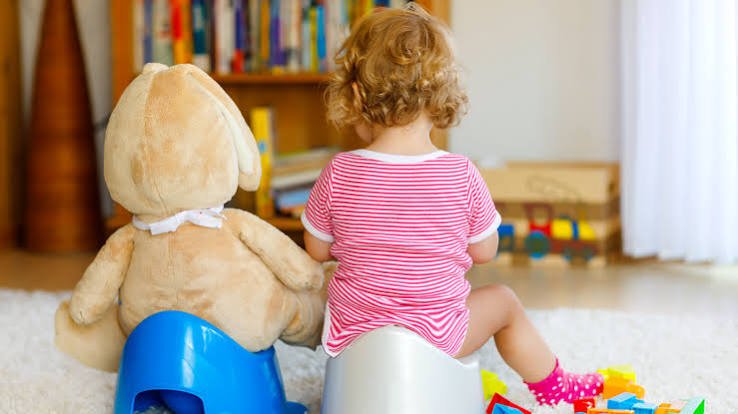
Toilet training is an important step towards greater independence, but it can be challenging for both children and parents. Autistic children may need additional time, preparation and support because toileting involves communication, body awareness, sensory processing, motor skills and several steps completed in sequence.
There is no single toilet training method that works for every Autistic child. The most effective approach is usually predictable, gradual and adapted to the individual child.
Toilet training should never involve shame, punishment or forcing a distressed child to remain on the toilet. The goal is to help the child understand their body, communicate their needs and develop toileting skills safely.
Why Can Toilet Training Be More Difficult?
Toileting is more complex than simply recognising the need to go. The child must notice internal body signals, stop an activity, reach the bathroom, manage clothing, use the toilet, wipe, flush and wash their hands.
An Autistic child may experience difficulty with one or more parts of this process.
Possible barriers include:
- Limited awareness of bladder or bowel signals
- Difficulty communicating the need to use the toilet
- Anxiety about changing from nappies to underwear
- A strong preference for familiar routines
- Difficulty moving away from a preferred activity
- Sensitivity to smells, sounds, lighting or toilet surfaces
- Fear of flushing or falling into the toilet
- Difficulty managing clothing
- Constipation, pain or stool withholding
- Difficulty applying a skill across different toilets
Understanding the specific barrier is more helpful than assuming the child is being stubborn or refusing deliberately.
Check for Medical Concerns First
Before beginning or restarting toilet training, consider whether the child is passing urine and bowel movements comfortably.
Constipation is common in children and can make toilet training painful. A child may begin holding their stool because they expect it to hurt, which can make constipation worse. Urinary tract infections and other medical conditions may also affect toileting.
Speak with a general practitioner or paediatrician if the child:
- Passes hard or painful bowel movements
- Goes several days without passing stool
- Regularly soils their clothing
- Cries or appears distressed when toileting
- Holds urine or stool for long periods
- Has blood in their stool
- Experiences frequent urinary accidents
- Was previously dry but has started having accidents
- Shows a sudden change in toileting behaviour
Pain and constipation should be addressed before placing greater demands on the child.
Look for Signs of Readiness
Children develop toileting skills at different ages. Readiness should be considered according to development rather than comparison with other children.
Possible signs include:
- Remaining dry for longer periods
- Showing discomfort when wet or soiled
- Hiding or changing behaviour before passing urine or stool
- Showing interest in the bathroom
- Sitting on the toilet briefly
- Following simple instructions
- Pulling clothing up or down with assistance
- Using words, gestures, pictures or behaviour to communicate needs
A child does not need to demonstrate every sign before learning begins. Toileting can be taught gradually, starting with familiarisation and small steps.
Make the Bathroom Comfortable
Sensory discomfort can create a major barrier to toilet training.
Observe the bathroom from the child’s perspective. The room may contain a loud fan, bright light, cold floor, strong smell or an unpredictable flushing sound.
Helpful adjustments may include:
- Using a toilet seat insert
- Providing a stable footstool
- Reducing bright lighting
- Removing strong air fresheners
- Allowing the child to wear headphones
- Flushing after the child leaves at first
- Keeping preferred toilet paper or wipes available
- Making sure the child’s feet and body feel secure
- Keeping the bathroom calm and uncluttered
A secure sitting position is particularly important. The child’s feet should be supported rather than left hanging, as this can improve comfort and help with bowel movements.
Use Clear and Consistent Language
Choose simple words for toileting and use them consistently. Different family members, educators and support workers should use the same terms when possible.
Keep instructions brief. Instead of giving the entire sequence at once, provide one step at a time:
“Pants down.”
“Sit on the toilet.”
“Wipe.”
“Pants up.”
“Wash hands.”
Children who do not communicate through speech can use a picture, sign, gesture or communication device to request the toilet. The important goal is to give the child a reliable way to communicate the need.
Introduce a Visual Toileting Sequence
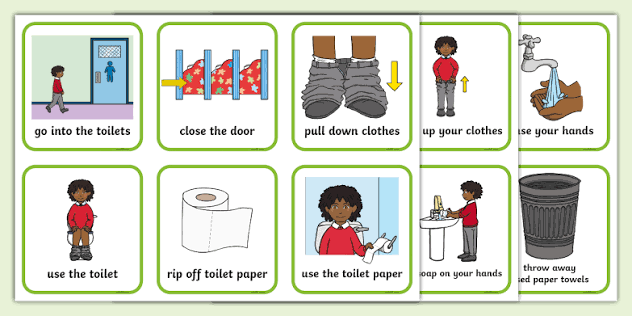
A toileting sequence might show:
- Go to the bathroom
- Pull pants down
- Sit on the toilet
- Use the toilet
- Wipe
- Pull pants up
- Flush
- Wash and dry hands
Place the sequence where the child can see it and use images they understand. Some children respond well to photographs of their own bathroom, while others prefer drawings or symbols.
A visual schedule can also show when toilet visits will occur, such as after waking, after meals, before leaving home and before bed.
Build the Skill Gradually
Some children become distressed when toilet training is introduced too quickly. Breaking the process into smaller steps can make it more manageable.
The first goal might simply be entering the bathroom calmly. The next goal could be sitting on the closed toilet while fully dressed. Over time, the child can practise sitting with clothing lowered and completing more parts of the routine.
Keep sitting periods brief and purposeful. Avoid forcing the child to sit for extended periods, as this can increase fear and resistance.
Practise at times when the child is most likely to need the toilet. Parents can observe the child’s usual pattern and record when wetting or bowel movements occur. This information can help create an individual schedule rather than taking the child to the toilet constantly.
Use Positive Reinforcement
Provide immediate and specific encouragement when the child completes a step.
For example:
“You walked to the bathroom when the picture showed toilet time.”
“You sat on the toilet. Well done.”
“You told me you needed the toilet.”
Some children may benefit from an additional reward, such as a sticker, short song, preferred activity or small item. Choose something motivating and provide it immediately after the agreed step.
The reward can gradually be reduced as the routine becomes familiar. Praise should remain calm and matched to the child’s preferences, as some children may find enthusiastic attention overwhelming.
Respond Calmly to Accidents
Accidents are part of learning and should be handled without shame or punishment.
Use a neutral response such as, “Your pants are wet. Let’s get changed.” Help the child clean up in a calm and respectful way, then return to the usual routine.
Avoid calling the child lazy, naughty or a baby. Negative reactions can create anxiety and make the child more likely to hide accidents or avoid toileting.
An accident also provides useful information. Consider whether the child missed a body signal, could not communicate, was deeply engaged in an activity or found the bathroom inaccessible.
Keep the Approach Consistent Across Settings
Once the child begins developing toileting skills at home, share the successful strategies with childcare, school and other caregivers.
Provide information about:
- The words or pictures the child uses
- Their usual toileting schedule
- Helpful sensory adjustments
- The level of assistance required
- Rewards that are effective
- Signs that the child may need the toilet
The child may need additional support when using an unfamiliar bathroom. Practising gradually in different settings can help the skill transfer beyond the home.
Daytime and Night Time Dryness Are Different
A child who uses the toilet during the day may still wet the bed at night. Night time dryness depends partly on physical development and is not simply a matter of effort.
Avoid restricting fluids excessively or punishing the child for bedwetting. Protective bedding and calm assistance with changing can reduce stress while the child develops night time bladder control.
Speak with a health professional if bedwetting is frequent, distressing, returns after a long dry period or occurs alongside pain, constipation or daytime symptoms.
When Additional Support May Help
Consider seeking professional guidance if progress has stopped, distress is increasing or toileting difficulties are affecting the child’s health and participation.
Depending on the concern, support may be available from a:
- General practitioner
- Paediatrician
- Continence nurse
- Occupational therapist
- Psychologist
- Behaviour support practitioner
- Speech pathologist
A professional can help identify whether the main barrier involves health, communication, sensory processing, motor skills, fear or the way the routine has been introduced.
The Most Important Message
Toilet training an Autistic child may take time, patience and experimentation. Progress is not always linear, and setbacks can occur during illness, stress, changes in routine or unfamiliar environments.
Success begins with understanding the child’s individual barriers. A comfortable bathroom, clear communication, visual supports, gradual teaching and positive reinforcement can make the process more predictable and manageable.
Every small step matters. Entering the bathroom, sitting briefly, communicating the need to go or completing one part independently are all meaningful achievements.
The aim is not to meet another child’s timeline. It is to help the individual child develop toileting skills with dignity, safety and confidence.
Sources
Raising Children Network: Toilet Training for Autistic Children
Continence Health Australia: Toilet Skills